Biology |
General |
General Knowledge
The Rising Concern: Increasing Hair Fall Among Women Today

Introduction
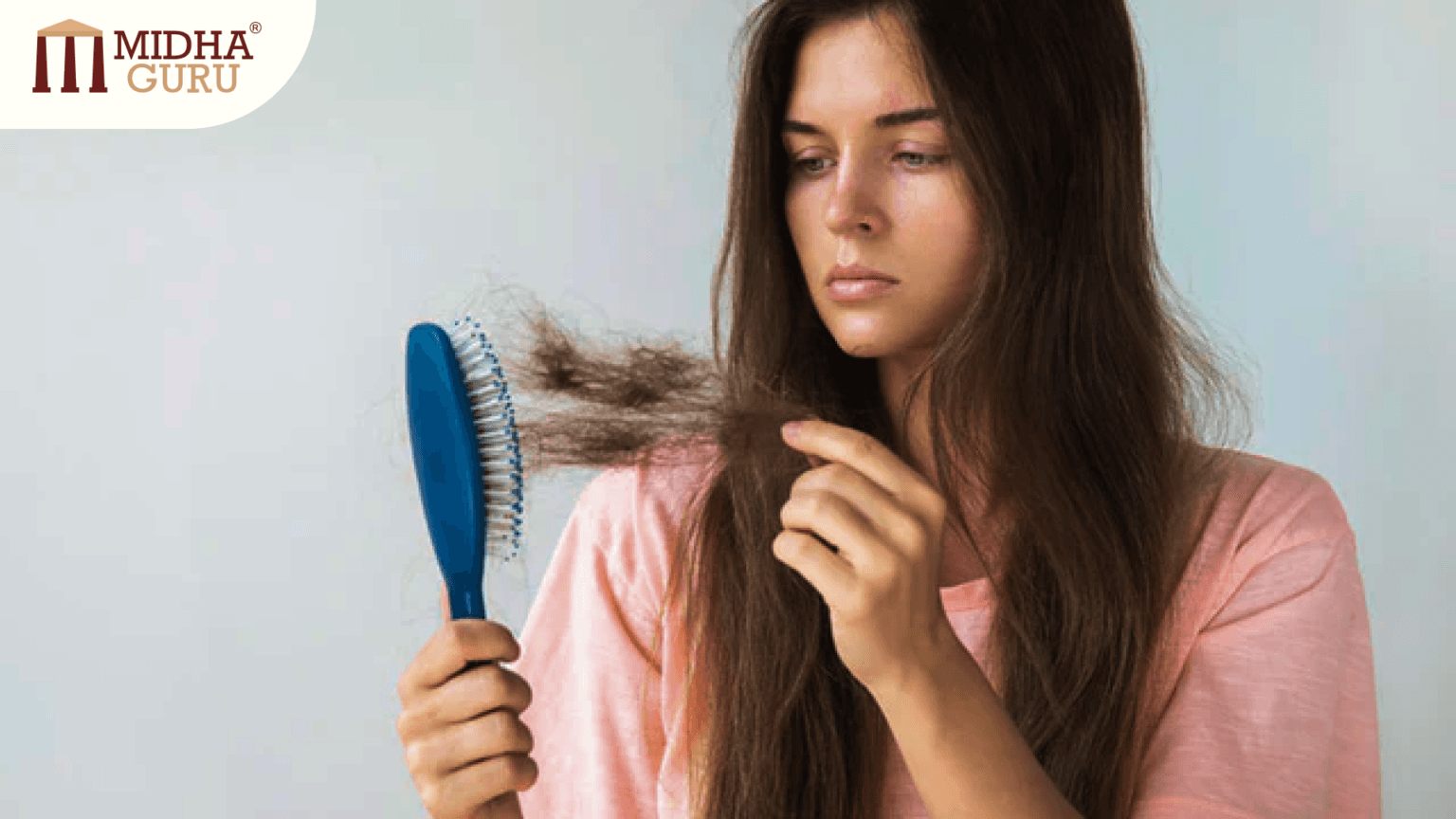
In recent years, more and more women have been grappling with an unsettling issue: significant hair fall. This growing concern isn’t just about vanity—it’s also about well-being. Let’s delve into why hair fall among women is increasing and what can be done to address it.
Understanding the Causes
Stress and Anxiety
Modern lifestyles come with their own sets of challenges. High stress levels, whether due to work, personal life, or societal pressures, are a major cause of hair fall. Stress can lead to conditions like Telogen Effluvium, where stress pushes hair follicles into a resting phase, causing hair to fall out more easily.
Nutritional Deficiencies
With the rise of fast food and imbalanced diets, many women aren’t getting the essential nutrients their bodies need. Deficiencies in iron, vitamin D, zinc, and biotin can lead to weakened hair follicles and increased hair fall.
Hormonal Imbalances
Hormonal changes related toThe Rising Concern: Increasing Hair Fall Among Women Today and conditions like polycystic ovary syndrome (PCOS) can significantly impact hair health. These fluctuations can disrupt the hair growth cycle, leading to more hair shedding.
Environmental Factors
Pollution, exposure to harsh chemicals, and hard water can all take a toll on hair health. Environmental toxins can damage hair at the follicular level, leading to increased breakage and fall.
Hair Care Practices
Overuse of styling tools, chemical treatments, and tight hairstyles can weaken hair. Heat styling, excessive coloring, and constant pulling can all contribute to hair damage and fall.
Preventive Measures
Balanced Diet
Incorporate a variety of nutrient-rich foods into your diet. Lean proteins, leafy greens, nuts, and seeds are all great for promoting hair health. Supplements can help if dietary changes aren’t enough.
Stress Management
Engage in activities that reduce stress, like yoga, meditation, and regular exercise. Taking time for yourself to unwind can have profound effects on your overall health, including your hair.
Gentle Hair Care
Opt for sulfate-free shampoos, and avoid excessive heat styling. Use a wide-tooth comb to detangle wet hair and avoid hairstyles that pull on the scalp.
Regular Health Check ups-
Monitor hormonal levels and general health through regular check-ups. Early detection of conditions like thyroid imbalances or PCOS can help manage hair fall more effectively.
Hydration
Drink plenty of water to keep your scalp hydrated. A well-hydrated scalp is crucial for healthy hair growth.
When to Seek Help
If hair fall persists despite taking preventive measures, it’s crucial to consult a dermatologist or a trichologist. They can provide personalized advice and treatments tailored to your specific needs.
Addressing hair fall requires a holistic approach. By understanding the causes and taking proactive steps, women can reclaim their confidence and enjoy healthier, stronger hair. The road to recovery might be gradual, but with patience and care, it’s definitely achievable.