General Knowledge
NASA Reveals Alarming Drop in Global Freshwater Levels

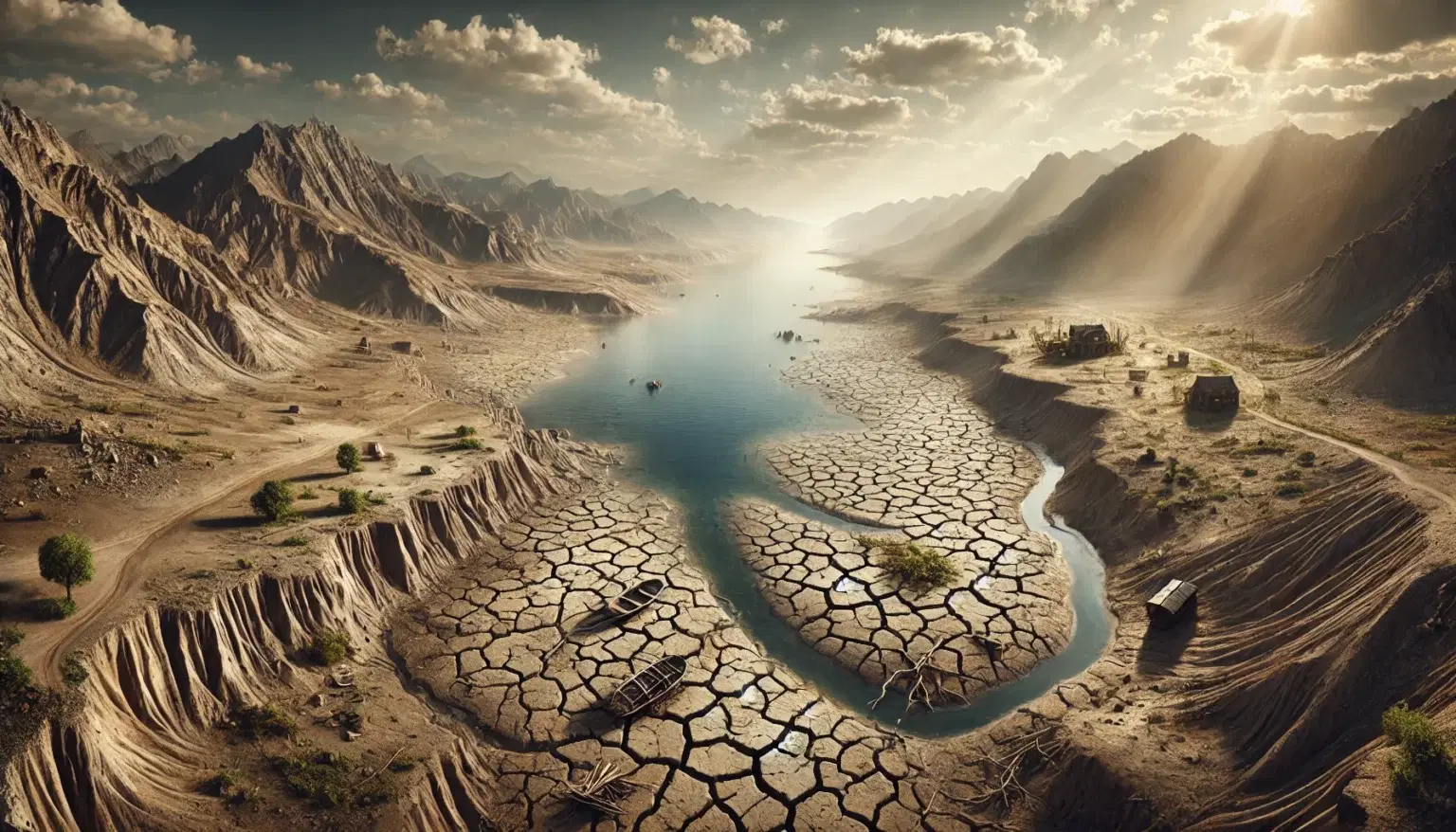
Recent satellite data from NASA has raised alarms worldwide, revealing a sudden decline in global freshwater levels. This discovery brings to light serious concerns about the escalating issue of water scarcity, which increasingly impacts agriculture, access to drinking water, and ecosystems. As freshwater sources diminish, the urgency for sustainable water management practices has never been greater.
A Worrying Trend in Freshwater Availability
NASA’s recent satellite research underscores a significant drop in global freshwater levels over recent decades. Freshwater, which makes up only about 2.5% of the Earth’s total water supply, is already scarce for billions of people. The satellites, equipped with advanced technology to track water storage in rivers, lakes, and aquifers, indicate that this decline is speeding up in many areas, particularly in regions already facing water shortages.
This decrease is not merely a minor fluctuation; it represents a serious issue for communities worldwide that depend on freshwater for their daily needs. Agriculture, reliant on consistent water sources for irrigation, is encountering increasing difficulties as water tables continue to decline. Insufficient water supply hampers crop growth, leading to food shortages and rising prices. Likewise, industries that require substantial water resources are also feeling the pressure.
Impacts on Drinking Water and Ecosystems
The reduction in freshwater levels poses a significant threat to drinking water supplies. In many areas, particularly those in arid or semi-arid climates, access to clean water is already limited. The falling freshwater levels threaten to worsen these shortages, making it even more challenging for people to obtain safe drinking water.
Ecosystems reliant on freshwater resources are also in distress. Rivers, lakes, and wetlands support countless species of plants and animals. As water levels decrease, these habitats shrink, endangering biodiversity. Freshwater species, such as fish and amphibians, are especially at risk.
Need for Sustainable Water Management

The data from NASA’s satellites is a wake-up call for the world. Here, it is evident that this is an unsustainable usage of water. As freshwater dwindles, governments, industries, and individuals need to take a step in shifting their ways to more sustainable practices.
Water conservation efforts should be enhanced as one important step. On the agriculture side, waste can be cut down through reuse and employing irrigation techniques to efficiently use water. Urban centers can also enforce low-flow faucets and toilets in order to reduce the overall consumption of water.
Next, better management of existing water resources is needed to prevent pollution and excessive extraction of such sources, including rivers and lakes. Desalination technologies, which convert seawater into freshwater, are another solution; however they pose environmental and economic issues.
The Road Ahead: A Global Challenge
The World Water Crisis is not an issue that a single country can solve independently. It involves international cooperation to make sure water is shared equitably and managed effectively. No country is immune to the challenge of water scarcity, so the water crisis will be solved collectively for future generations.
NASA’s findings are a reminder that our freshwater resources are finite, and they won’t last forever unless we change our ways. By prioritizing sustainable water practices and investing in innovative solutions, we can help protect one of our most vital resources—freshwater—for generations to come.
Conclusion
One of the world’s most threatening environmental issues has been brought into question recently, following the discovery of the rapid drop in the freshwater levels of the world. Agriculture, drinking water, and biodiversity are future implications of handling this resource today. Combating this crisis requires collaboration, innovation, and better practices to ensure water becomes accessible to everyone.